Japanese Sushi Chopsticks
Wiki Article
Japanese sushi chopsticks will be more than just eating utensils—they are an essential part from the dining experience, reflecting centuries of tradition, craftsmanship, and cultural etiquette. Whether you’re having a casual sushi meal or dining in a high-end restaurant, the sort and use of Luxury Japanese chopsticks can enhance the taste and presentation with the food.
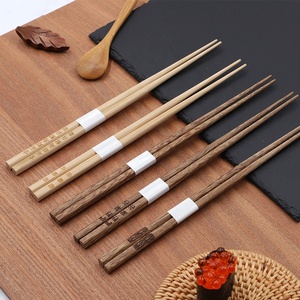
The Cultural Significance of Chopsticks
Chopsticks, called “hashi” in Japan, are already used for more than a thousand years. Originally relying on Chinese dining customs, they evolved into a uniquely Japanese form with distinct features and cultural importance.
In Japan, chopsticks are addressed with respect and so are closely associated with etiquette. For example, certain practices—like sticking chopsticks upright in rice—are avoided since they're associated with funeral rituals.
What Makes Sushi Chopsticks Different?
Sushi chopsticks are usually designed with precision and delicacy in your mind. Unlike standard chopsticks employed for everyday meals, sushi chopsticks usually have:
Sharper, tapered tips for picking up delicate pieces of sushi
Lightweight construction for better control
Smooth finishes in order to avoid rice from sticking
This design helps diners handle sushi without having to break it apart, preserving both its structure and presentation.
Materials Used in Japanese Chopsticks
Japanese chopsticks are made of a variety of materials, each offering some other feel and aesthetic:
Wood and bamboo – Traditional, lightweight, and eco-friendly
Lacquered wood – Elegant and sometimes decorated with intricate designs
Plastic – Durable and widely used in casual settings
Metal – Less common in Japan but sometimes employed for modern styles
High-quality chopsticks may feature hand-applied lacquer and artistic patterns, which makes them both functional and decorative.
Types of Chopsticks for Sushi
There are several types of chopsticks you might encounter when eating sushi:
Waribashi (disposable chopsticks) – Common in restaurants and takeout
Reusable chopsticks – Often provided in higher-end establishments
Personal chopsticks – Owned and carried by individuals for hygiene and sustainability
In traditional sushi restaurants, chefs often provide chopsticks that match the complete dining aesthetic.
Chopstick Etiquette When Eating Sushi
Using chopsticks properly is a valuable part of Japanese dining culture. Here certainly are a few key etiquette tips:
Avoid rubbing disposable chopsticks together, as it can imply poor quality
Do not pass food from one set of chopsticks to another
Use the opposite end of your respective chopsticks when taking food from shared plates
Rest chopsticks over a holder (hashioki) if not in use
Interestingly, sushi may also be eaten with your hands, especially nigiri, but chopsticks remain preferred tool for most diners.
Chopsticks and also the Sushi Experience
The right chopsticks can enhance your sushi experience by letting you to handle every bit with care. Sushi is crafted with precision, and taking advantage of well-designed chopsticks helps preserve the balance of rice, fish, and toppings.
In traditional settings, care about detail extends at night food to each element of the meal—including the utensils.
Modern Trends and Sustainability
Today, you will find there's growing fascination with sustainable dining practices. Many people are switching from disposable chopsticks to reusable options produced from bamboo or sustainably sourced wood.
Artisan chopsticks can also be gaining popularity, with handcrafted designs that reflect Japanese aesthetics and craftsmanship.
Japanese sushi chopsticks certainly are a perfect mixture of function, tradition, and artistry. From their carefully tapered tips to their cultural significance, they play a crucial role in the way sushi is enjoyed.